The integrity of an industrial assembly often rests upon the performance of its most specific components, yet many engineering projects are undermined by standard profiles that cannot withstand extreme chemical or thermal environments. We recognise that relying on generic solutions or struggling with the logistical delays of overseas supply chains often leads to costly downtime and component failure. As a leading kedar cord manufacturer uk, Abbey Extrusions provides the technical certainty required for complex applications; ensuring that every profile is engineered to meet exact specifications whilst maintaining the highest standards of durability and performance in the field.
You deserve a manufacturing partner who prioritises precision over mass production and understands the nuances of polymer science. In this article, we'll demonstrate how custom plastic profiles and expert material selection can solve your most difficult engineering challenges. We'll outline the benefits of UK-based production, the importance of chemical-resistant polymers, and how bespoke extrusion techniques ensure a perfect fit for existing assemblies; providing a reliable foundation for long term industrial partnerships.
Key Takeaways
- Understand how custom cross-sectional shapes are engineered to solve specific industrial challenges where standard profiles fail under stress.
- Learn why selecting the correct polymer is just as vital as the profile design for ensuring component longevity and chemical resistance.
- Discover the advantages of working with a specialist kedar cord manufacturer uk to secure precision components for niche applications.
- Explore how post-extrusion services such as tube forming allow for further customisation to meet complex assembly requirements.
- Identify the reliability and logistical benefits of sourcing high performance profiles from a domestic manufacturer for stable national supply.
Contact our technical team for a bespoke extrusion quote
Understanding the Value of Bespoke Plastic Extrusion Profiles
Bespoke plastic extrusion is a specialised manufacturing process where thermoplastic materials are melted and forced through a custom-engineered die to create specific cross-sectional shapes tailored to unique industrial functions. Unlike the standard Polymer extrusion process used for generic piping or simple rods, bespoke extrusion focuses on the intricate requirements of a particular assembly. This method allows engineers to specify the exact dimensions, wall thicknesses, and material properties needed for their project, ensuring that the final component integrates perfectly with existing hardware.
Whilst standard profiles are often perceived as more cost-effective due to lower initial tooling costs, they frequently require secondary machining, drilling, or complex assembly stages to make them fit for purpose. Bespoke solutions eliminate these inefficient post-production steps by incorporating all necessary features into the initial extrusion. By designing a profile that meets the exact requirement from the outset, manufacturers can reduce waste and improve the overall structural integrity of the component, as the material is not weakened by subsequent cutting or bonding processes.
This principle of bespoke manufacturing is equally vital in non-industrial settings where precision and high-quality materials are required; for instance, if you are working on heritage projects, you can check out Mary Collings Church Furnishings to learn more about their specialist ecclesiastical supplies.
The transition from a technical concept to a production-ready component requires a deep understanding of polymer behaviour and die design. As an established kedar cord manufacturer uk, we work closely with engineering teams to ensure that every profile is optimised for its specific environment. Precision engineering is vital for achieving the tight tolerances required for industrial seals and structural components; where even a fraction of a millimetre can be the difference between a secure fit and a catastrophic failure. Our dedicated facility provides the technical stability and reliable communication necessary to manage these complex projects from the initial drawing through to national supply.
Precision Engineering for Complex Industrial Requirements
Custom dies are the foundational element of any successful bespoke project. These tools are meticulously designed to accommodate variable wall thicknesses and intricate geometries that standard tooling simply cannot achieve. Our technical engineers play a critical role in refining profile designs; they analyse material flow and cooling rates to ensure the final product maintains its shape and performance characteristics. This level of customisation often allows for the integration of multiple functions into a single component, such as combining a rigid structural spine with a soft sealing edge, which simplifies the final assembly process for the client.
This philosophy of functional customisation is also central to high-quality joinery; for instance, you can learn more about Arborfield Joinery to see how they manufacture bespoke timber stairs and windows to exact specifications.
Flexible and Rigid Extrusion Solutions
The choice between rigid and flexible profiles is dictated by the mechanical requirements of the application. Rigid profiles are typically selected for structural support, whilst flexible profiles are essential for sealing, gaskets, and protective edging. Material hardness is precisely measured using the Shore scale and is selected based on the end-use environment, including exposure to UV light, extreme temperatures, or aggressive chemicals. For a deeper analysis of these technical considerations, you can explore The Engineering Principles of Plastic Extrusion. Choosing the right material ensures that the profile remains functional throughout its intended lifespan, even under significant stress.
Contact our technical team for a bespoke extrusion quote
Material Selection for High Performance Plastic Profiles
The success of a bespoke project relies on the synergy between precise profile design and advanced polymer science. Selecting the correct polymer is just as critical as the profile shape itself; a well-designed profile will still fail if the material cannot withstand the chemical or thermal stresses of its environment. As a technical kedar cord manufacturer uk, we assess every application's specific stressors before recommending a resin. Whilst general-purpose materials are suitable for standard use, industrial engineering often requires the high-performance properties of specialised thermoplastics to ensure long-term reliability.
Low Density Polyethylene (LDPE) is frequently utilised for cost-effective flexible tubing and profiles. It provides excellent moisture resistance and high flexibility, which is particularly beneficial for low-pressure fluid transfer and protective sleeving. Whilst LDPE serves many broad industrial needs, more demanding environments require materials with higher tensile strength and thermal stability. Our team ensures that the selected material aligns with the expected lifecycle of the component to prevent premature failure in the field.
The focus on material quality and long-term durability is a principle shared by high-end retailers in other sectors; for instance, Sheepbridge Sofas & Beds provides expertly crafted furniture that balances aesthetic appeal with robust construction.
Nylon 11 and 12 for Superior Chemical Resistance
Nylon tube is regarded as a premium choice for applications requiring high burst pressure and exceptional resistance to oils and solvents. Nylon 11 is often preferred for its impact resistance at low temperatures, whilst Nylon 12 is selected for its superior dimensional stability; this is largely due to its lower moisture absorption rates compared to other polyamides. These materials are essential components in fuel lines and pneumatic systems amongst various industrial sectors. Detailed material specifications can be found in our Technical Guide to Nylon Tubing.
Fluoropolymers and High Temperature Applications
In environments where thermal extremes or aggressive corrosives are present, Fluoropolymers like PTFE, FEP, and PFA are the only viable options. These materials are prized for their non-stick surfaces and high-purity characteristics, making them indispensable for chemical processing and laboratory equipment. Extruding these specialist materials requires significant expertise, as their unique melt properties demand precise temperature regulation and advanced tooling. These polymers maintain their structural integrity at temperatures that would cause standard plastics to degrade. If your project involves these extreme conditions, consult our technical team to determine the most effective polymer for your assembly.
Contact our technical team for a bespoke extrusion quote
Specialist Applications for Custom Profile Extrusions
Industrial manufacturing often demands more than standard tubing or generic rods; it requires profiles that perform specific mechanical functions under significant stress. Niche components like seals, tracks, and tensioning devices must be engineered with a deep understanding of their end-use environment. As a specialist kedar cord manufacturer uk, we focus on producing these intricate profiles to the exact tolerances required by the transport, leisure, and advertising sectors. These components are often the primary point of contact between different materials, making their surface finish and structural integrity paramount to the overall assembly's success.
The engineering of these profiles goes beyond simple shape formation. It involves the careful integration of additives to ensure the plastic can survive years of environmental exposure. Whether it's resisting the abrasive nature of fabric tensioning or the constant vibration of a heavy goods vehicle, every bespoke extrusion is designed to mitigate mechanical wear. Our Leicestershire facility is equipped to handle these specialist requirements, ensuring that each batch meets the rigorous quality standards expected by our long-term industrial partners across the United Kingdom.
The same principles of material longevity and custom fit are essential for high-end leisure accessories; for instance, you can discover Northern Hot Tub Covers to see how bespoke manufacturing protects outdoor spa investments from the elements.
Curtainsider Pelmet Sections and Vehicle Components
Curtainsider Pelmet Sections serve a vital role in the transport and vehicle body building industry. Their primary function is to protect cargo from moisture ingress whilst simultaneously improving the aerodynamic profile of the trailer. Because these sections are permanently exposed to the elements, the use of UV stabilisers in the polymer blend is essential to prevent embrittlement and colour fading. We provide various profile variations and custom lengths to suit different trailer designs, ensuring a precise fit that reduces wind noise and improves fuel efficiency for haulage operators.
Kedar Cord for Heavy Duty Industrial Use
In the fabric tensioning industry, Kedar Cord is the critical interface between the textile and the supporting structure. It's used extensively in the production of tents, marquees, and large-scale banners where reliable tension is required to maintain structural safety. We manufacture these cords in a range of diameters and material densities to suit specific bespoke orders. A smooth surface finish is a non-negotiable requirement; it prevents fabric abrasion during installation and ensures the cord slides easily into its track without snagging. By controlling the density of the extrusion, we can provide the exact balance of flexibility and rigidity needed for high-tension applications.
Contact our technical team for a bespoke extrusion quote

Advanced Customisation and Tube Forming Services
The manufacturing of high performance plastic profiles often extends far beyond the initial extrusion stage. Whilst the die determines the cross-sectional shape, post-production processes are what transform a continuous profile into a functional, assembly-ready component. As an experienced kedar cord manufacturer uk, we understand that industrial clients require parts that integrate seamlessly into their systems without the need for additional on-site modifications. By providing these advanced customisation services in-house, we reduce the logistical burden on our partners and ensure that every technical specification is met with absolute precision, from the first metre to the last.
Integrating additives during the extrusion phase allows us to tailor the physical properties of the profile to its specific application. This proactive approach to material science ensures that the final product doesn't just fit the required dimensions but also excels in its operational environment. As a leading kedar cord manufacturer uk, we utilise our technical expertise to ensure that every additive is distributed evenly throughout the polymer matrix, guaranteeing consistent performance across the entire production run. Whether it's adding anti-static agents for sensitive electronic manufacturing or incorporating specific safety colours for industrial identification, these customisations are fundamental to the component's success and longevity.
In addition to visual identification, ensuring that all safety-critical hardware is correctly specified is paramount; for instance, sourcing certified equipment from Fire Protection Parts provides the necessary reliability for fire suppression systems within industrial facilities.
Technical Tube Forming for Bespoke Layouts
Tube Forming is a critical secondary service that allows for the creation of pre-shaped components for complex assemblies. The heat-forming process is a delicate operation that requires precise temperature control to avoid degrading the polymer whilst ensuring the bend remains permanent. These pre-formed tubes are particularly valuable in tight engine bays or crowded industrial machinery where space is limited and standard flexible hoses might kink or obstruct other components. Maintaining the internal diameter during this process is vital to ensure consistent flow rates and pressure levels; a requirement that demands rigorous technical oversight and the use of specialised, custom-built jigs to prevent any ovality in the bend.
Colour Matching and Additive Integration
Achieving a specific visual identity is often a requirement for safety or branding purposes. We offer comprehensive colour matching services to align profiles with corporate branding or industry safety standards, such as those used for gas or chemical lines. Beyond aesthetics, the integration of UV inhibitors and flame retardants is essential for profiles used in external or high-risk environments to prevent embrittlement and fire propagation. For sectors involving volatile substances or cleanroom environments, anti-static additives are incorporated to prevent the build-up of static electricity, protecting both the sensitive machinery and the personnel. If your project requires these specialised properties, request a technical consultation for your custom profile.
Contact our technical team for a bespoke extrusion quote
Partnering with a UK Plastic Extrusion Manufacturer
Sourcing bespoke profiles from a domestic manufacturer offers significant logistical and technical advantages for national supply. Overseas procurement often involves long lead times and complex shipping arrangements that can disrupt tight manufacturing schedules and inflate inventory costs. By choosing a UK based partner, you gain direct access to engineering expertise and a more responsive supply chain. As a dedicated kedar cord manufacturer uk based in Leicestershire, we provide the stability required for long term industrial partnerships; ensuring that your production lines remain operational without the uncertainty of international freight delays or fluctuating customs regulations.
A reliable partnership is built on the ability to provide technical certainty from the very beginning of a project. We believe that the most successful extrusions are the result of early collaboration, where our engineers can offer guidance on material selection and profile design to improve component lifespan. This proactive engagement helps to identify potential manufacturing issues before they reach the factory floor, saving both time and resources. Our commitment to professional standards ensures that every client receives a solution that isn't just a physical component, but a precision engineered tool designed to perform in the most demanding industrial environments; for those who also require high-quality interior finishing, you can discover Gyp Artisan to explore their range of specialised gypsum boards.
Technical Support from Concept to Production
The transition from a technical drawing to a finished industrial component is a methodical process that requires constant communication. We work closely with your engineering teams to refine profile geometry, ensuring that the design is optimised for both performance and manufacturability. Prototyping and sample runs are essential stages in this journey; they allow us to verify the fit and function of a profile before committing to full scale production. This structured approach helps avoid costly errors and ensures that the final product meets your exact requirements, a level of technical oversight also provided by Swiss Build Ltd for complex building developments. Our decades of experience allow us to identify and solve common extrusion challenges, such as material shrinkage or cooling distortion, during the initial design phase.
This focus on precision and safety extends beyond industrial components to all areas of building maintenance; for expert advice on window safety and repair, you can check out A ACME Design.
Quality Assurance and National Supply Logistics
Consistency across large production runs is maintained through rigorous inspection protocols and advanced monitoring technology; a trend mirrored globally as manufacturers engage with industrial robotics suppliers UAE to integrate collaborative systems into their workflows. We verify dimensional accuracy and material integrity at every stage of the manufacturing process to ensure that every batch adheres to the agreed specifications. These quality control measures are vital for components that must fit perfectly into existing assemblies or withstand mechanical wear in the field. Our reliability as a kedar cord manufacturer uk is supported by established national delivery networks, which provide efficient transport for industrial partners across the country. We remain committed to maintaining the highest professional standards and developing long term manufacturing partnerships based on technical competence and mutual trust. Engaging with our experts early in the design process is the most effective way to optimise production costs and improve the overall performance of your bespoke components.
Contact our technical team for a bespoke extrusion quote
Securing Technical Excellence in Plastic Extrusion
The decision to invest in bespoke plastic profiles is a strategic move towards long term component reliability and operational efficiency. We've explored how the synergy between custom die design and advanced polymer science allows for the creation of parts that standard profiles simply cannot match. As a specialist kedar cord manufacturer uk with a manufacturing history established in 1985, Abbey Extrusions provides the technical stability and precision required to solve the most complex engineering challenges. Our Leicestershire facility remains a centre of excellence for high performance tubing and profile development; ensuring that every production run meets the rigorous quality standards our industrial partners expect.
By choosing a domestic manufacturer, you benefit from a responsive supply chain and direct access to decades of technical knowledge. We encourage you to contact our technical team for a bespoke extrusion quote to discuss how our custom profiles and tube forming services can enhance your next project. We look forward to establishing a reliable manufacturing partnership and helping you achieve the highest levels of technical performance in your specific industrial application.
Frequently Asked Questions
What are bespoke plastic extrusion profiles
Bespoke plastic extrusion profiles are custom engineered cross sectional shapes designed to meet the specific functional requirements of an industrial assembly. Unlike standard tubing, these profiles are created using unique dies that allow for intricate geometries, variable wall thicknesses, and integrated features. This precision ensures that the component fits perfectly into existing hardware, which eliminates the need for secondary machining or modifications by the end user.
Which materials can be used for custom plastic profiles
A wide range of high performance thermoplastics can be utilised depending on the environmental stressors of the application. Common selections include Nylon 11 and 12 for chemical resistance, Low Density Polyethylene (LDPE) for flexibility, and Fluoropolymers such as PTFE or FEP for extreme thermal stability. As a specialist kedar cord manufacturer uk, we also utilise specific PVC blends to ensure durability and UV resistance in outdoor environments.
How much does custom tooling for plastic extrusion cost
The cost of custom tooling is determined by the complexity of the profile geometry and the specific material being extruded. Simple shapes require less intricate dies, whilst profiles with internal hollows or very tight tolerances demand more advanced engineering and higher grade tool steel. Whilst initial tooling represents a capital investment, it often provides long term savings by reducing material waste and removing the labour costs associated with secondary processing stages.
Can you provide bespoke colours for plastic profiles
Yes, we provide comprehensive colour matching services to align plastic profiles with corporate branding or specific industry safety standards. During the extrusion process, pigments are integrated directly into the polymer melt to ensure a consistent and durable finish throughout the entire production run. This is particularly useful for identifying different fluid lines or ensuring that external components, such as vehicle pelmets, match the aesthetics of the main assembly.
What is the difference between rigid and flexible plastic extrusions
The primary difference lies in the material's hardness, which is measured on the Shore scale to determine its suitability for structure or sealing. Rigid extrusions are engineered to provide structural support and maintain their shape under load, whilst flexible extrusions are designed to compress and provide a secure seal against moisture or air. Some bespoke profiles can even combine both properties by co extruding different materials into a single integrated component.
How do I choose the right polymer for my bespoke profile
Choosing the correct polymer requires a thorough assessment of the operational environment, including exposure to chemicals, UV radiation, and temperature fluctuations. For example, Nylon is often selected for high pressure pneumatic systems, whilst Fluoropolymers are essential for corrosive chemical processing. We recommend engaging with our technical team early in the design phase to evaluate these stressors and select the material that provides the best balance of performance and cost.
What are the lead times for custom plastic extrusion in the UK
Lead times for custom extrusions are significantly shorter when sourcing from a domestic manufacturer compared to overseas suppliers. The timeline typically includes an initial phase for die design and manufacturing, followed by sample approval and final production runs. Sourcing locally from a kedar cord manufacturer uk reduces the logistical delays associated with international shipping and allows for more responsive communication during the technical development stages.
Do you offer post extrusion services like tube forming
Yes, we provide in house post extrusion services including technical tube forming to create permanent bends and coils in plastic tubing. These services allow for the creation of pre shaped components that fit directly into tight spaces, such as engine bays or complex industrial machinery. By handling these processes internally, we ensure that the internal diameter and structural integrity of the tube are maintained throughout the heat forming process.
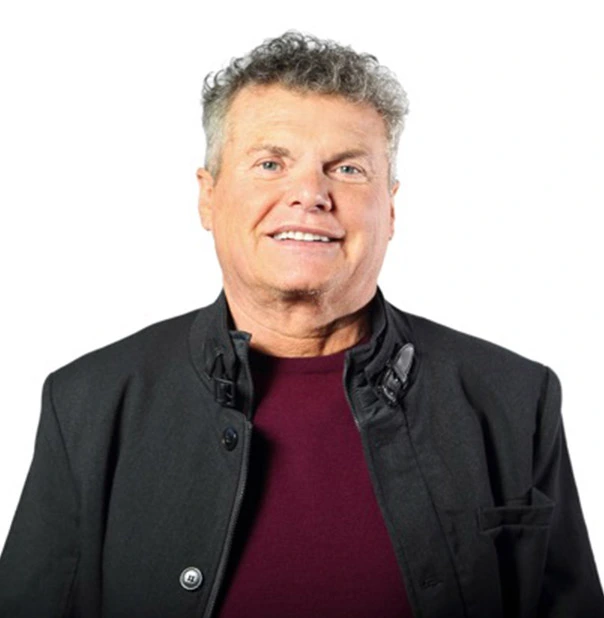
Article by
Bryan Cowan
Bryan Cowan is the Founder and Managing Director of Abbey Extrusions Ltd, a leading UK manufacturer of high-quality plastic tubes and hoses. With over 40 years of industry experience, Bryan established the company in 1985, growing it from a startup into a BS ISO9001-registered supplier for global sectors including aerospace, automotive, and pharmaceuticals.
Disclaimer
This article is intended for informational purposes only. Please ensure you seek expert advice or carry out your own research to confirm the information is suitable for your specific needs.